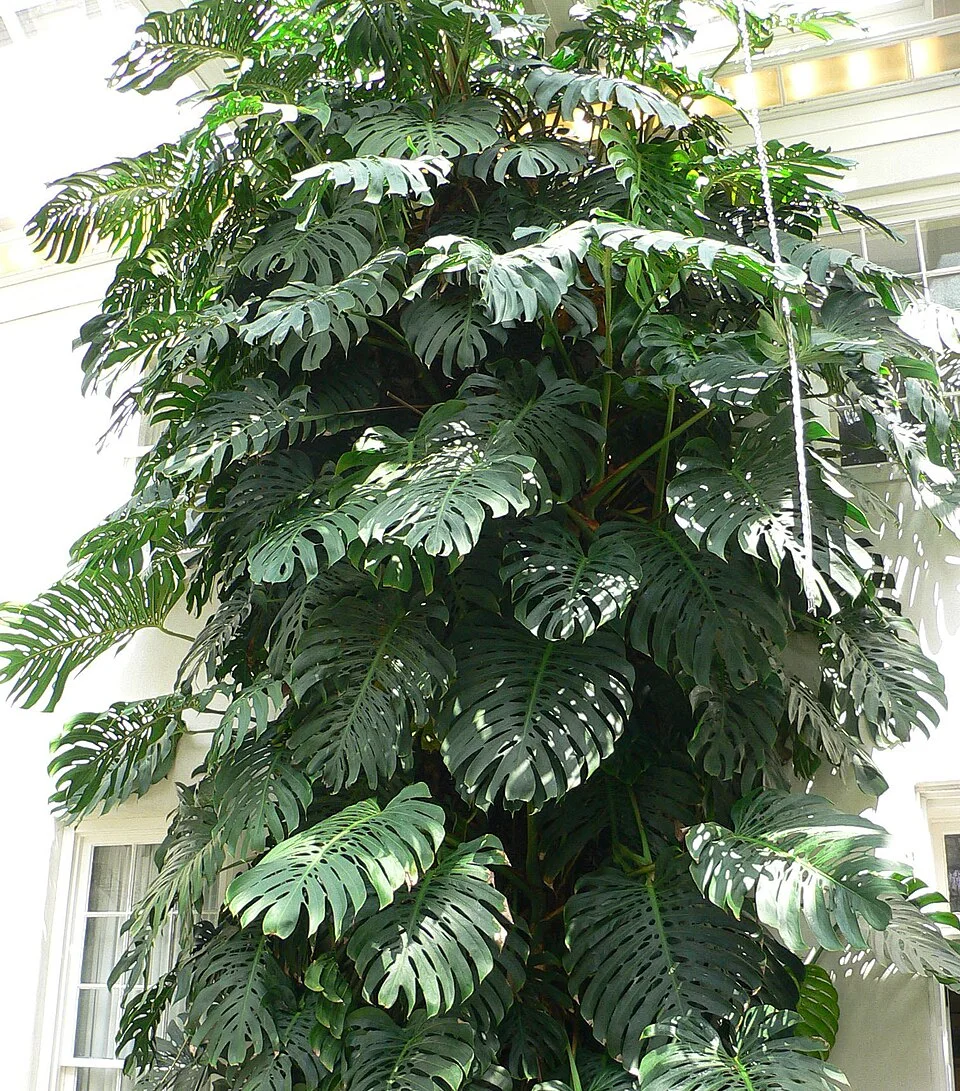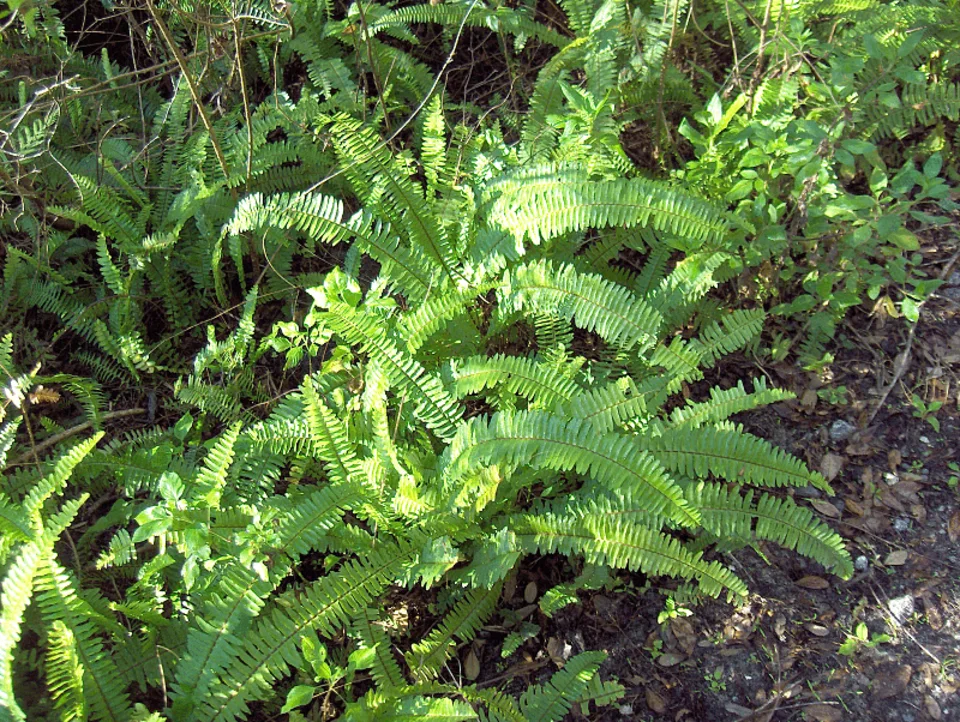
Boston fern
Nephrolepis exaltata
Mimosa pudica
Stillness is only part of the story.
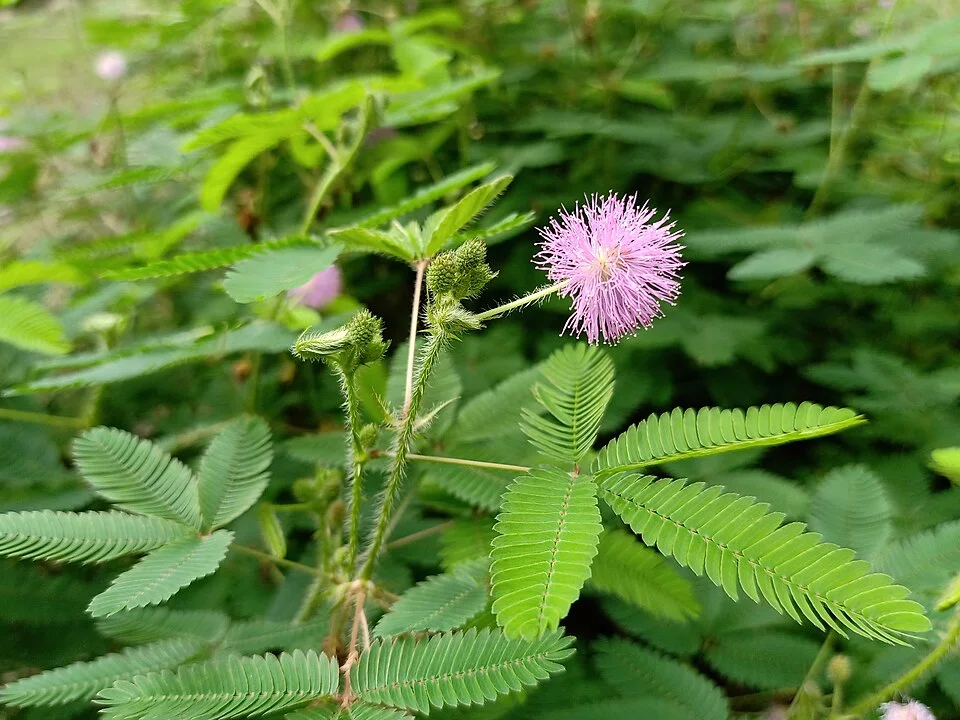
Look for the paired leaflets arranged along each division. Their position changes when the sensitive plant responds to a stimulus.
Several finely divided structures meet along the leaf. Notice the repeating hierarchy rather than treating every small leaflet as a separate leaf.
The supporting joints are part of the movement system. This still photograph cannot show folding over time; use the schematic study below to explore that distinction.
Mimosa pudica · movement study · schematic
Some movements happen slowly. Others unfold in a moment. Explore the sensitive plant’s folding response without disturbing a living specimen.
Open state. Select “Apply a touch” to explore a schematic folding response.
An illustrative botanical study. Response timing is compressed; folding in a living plant involves water redistribution within specialised tissues.
Read the researchA touch can cause the delicate leaflets of Mimosa pudica to fold. This response is driven by changes in water distribution within specialised tissues. It is movement without muscles, and a reminder that plant responses operate on many timescales.
Examine the pairs of leaflets and the joints supporting them. Compare an open leaf with a photograph of a folded leaf.
How can a plant move without growing?
Folding is observable. Its proposed role in deterring herbivores is an interpretation, and should be described as such.
Habitat labels are broad browsing categories, not complete distribution records. This dossier is an editorial introduction, not original field research.
Suyash.dwivedi. Original photograph · CC BY-SA 4.0. Resized and converted to WebP; displayed crops may vary.