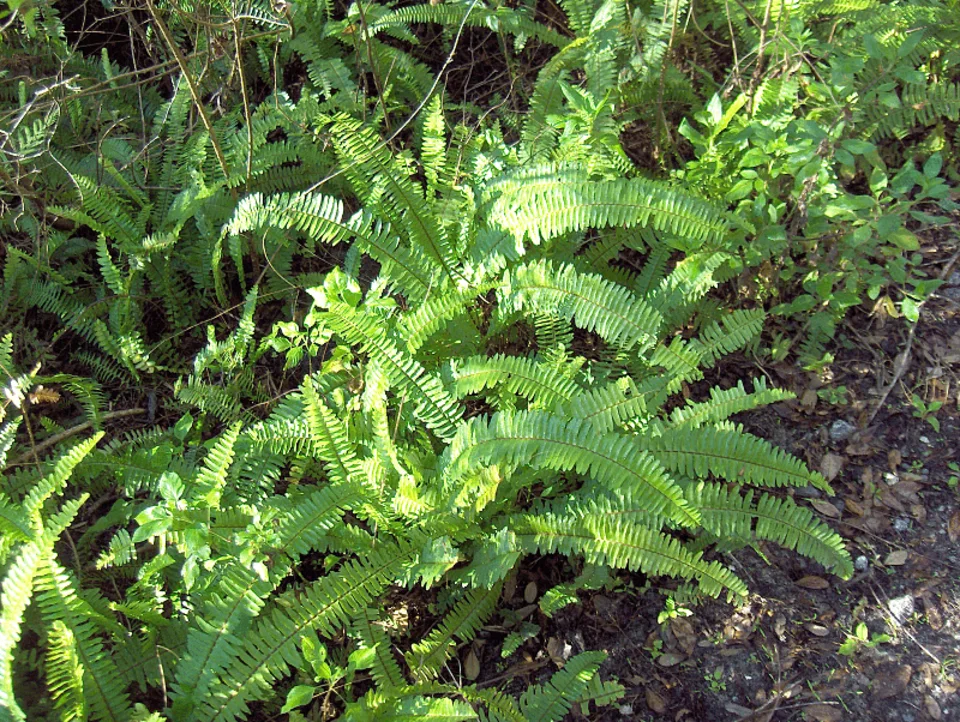
Boston fern
Nephrolepis exaltata
Helianthus annuus
A daily rhythm, written in growth.

This photograph records a mature sunflower head. It does not show the growing shoot stage used to investigate daily solar tracking.
To study orientation, record the direction, time, and developmental stage. A close-up without that context cannot demonstrate tracking.
Compare observations of the same plant through the day. The difference between young and mature plants is central to the research linked in this dossier.
Young sunflowers can track the sun during the day and reorient overnight. Research links this movement to differences in stem growth and an internal circadian rhythm. Mature flower heads generally stop tracking and face east.
Distinguish a growing bud from a mature flower head before making a comparison. Developmental stage matters when describing movement.
Does a young plant respond in the same way as a mature one?
A single photograph cannot demonstrate tracking. Repeated observations, at recorded times, are needed to investigate movement.
Habitat labels are broad browsing categories, not complete distribution records. This dossier is an editorial introduction, not original field research.
George Chernilevsky. Original photograph · CC BY 4.0. Resized and converted to WebP; displayed crops may vary.