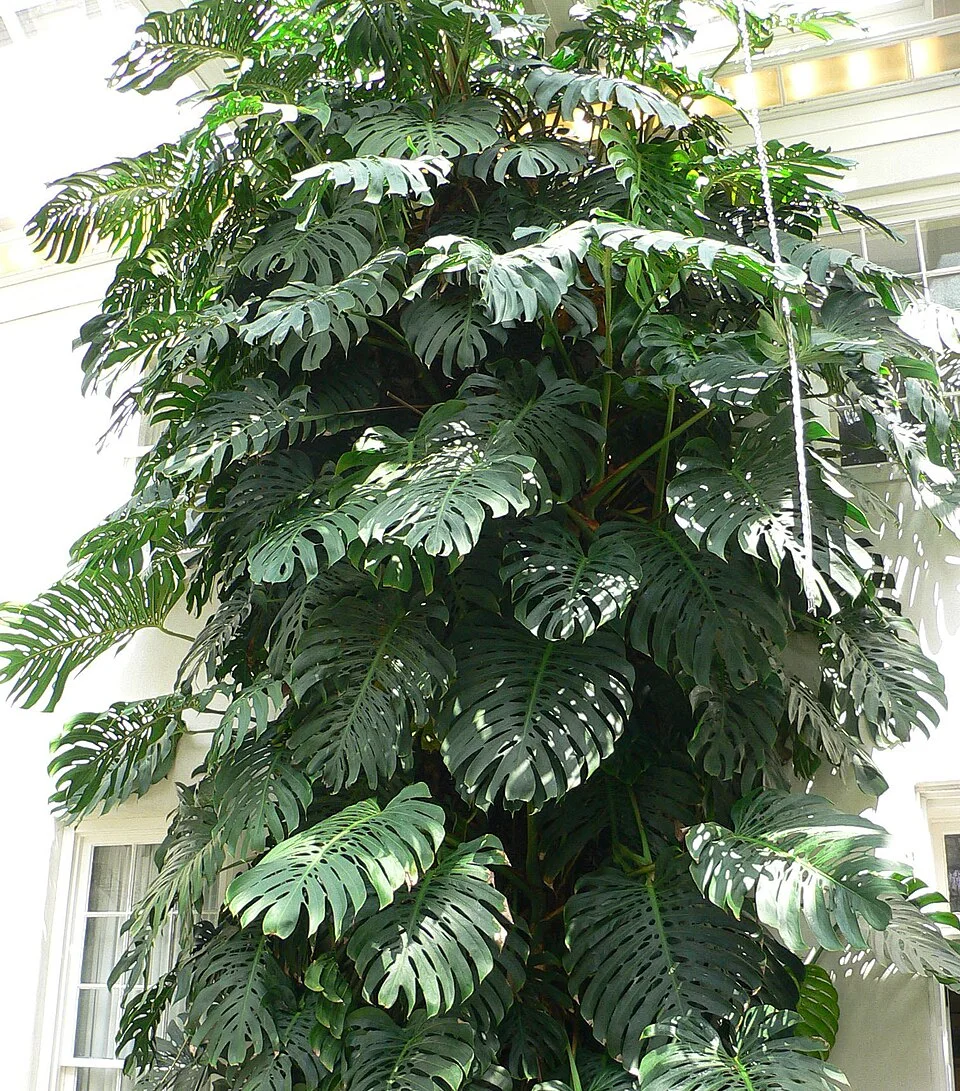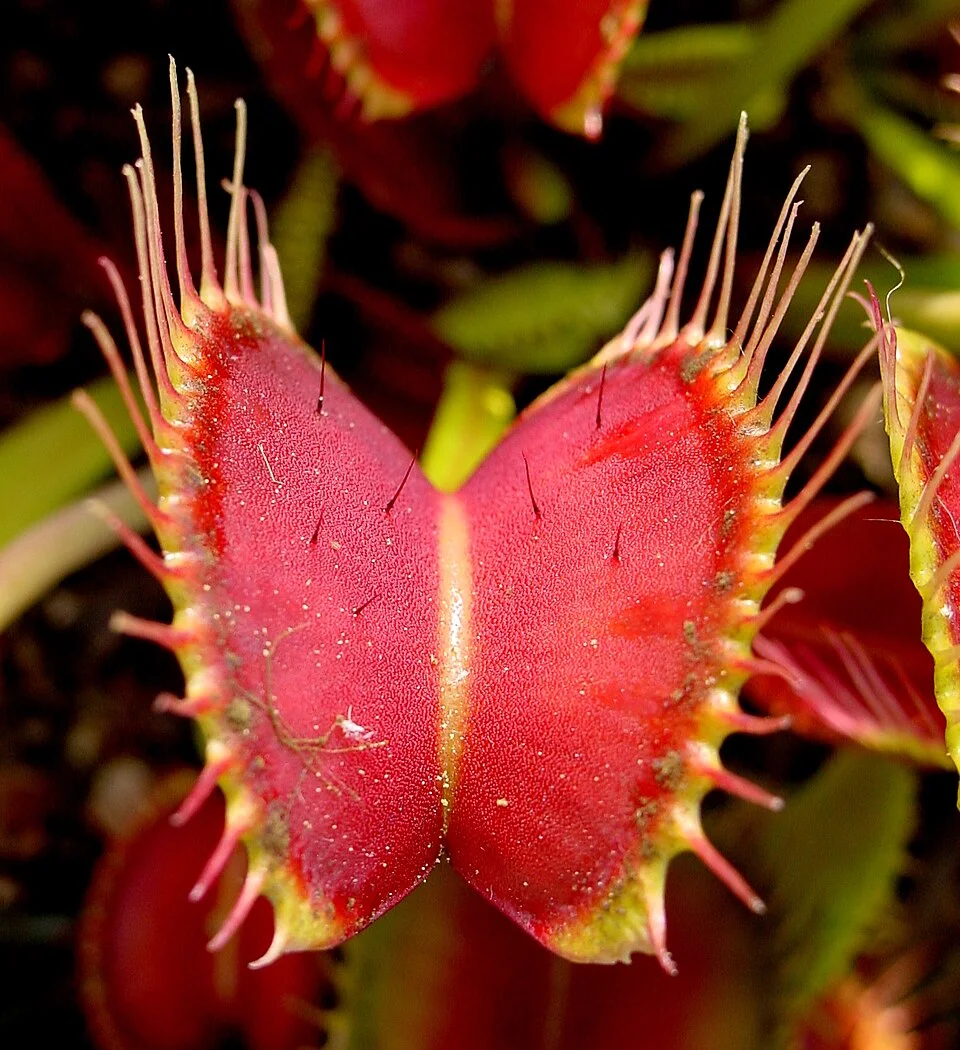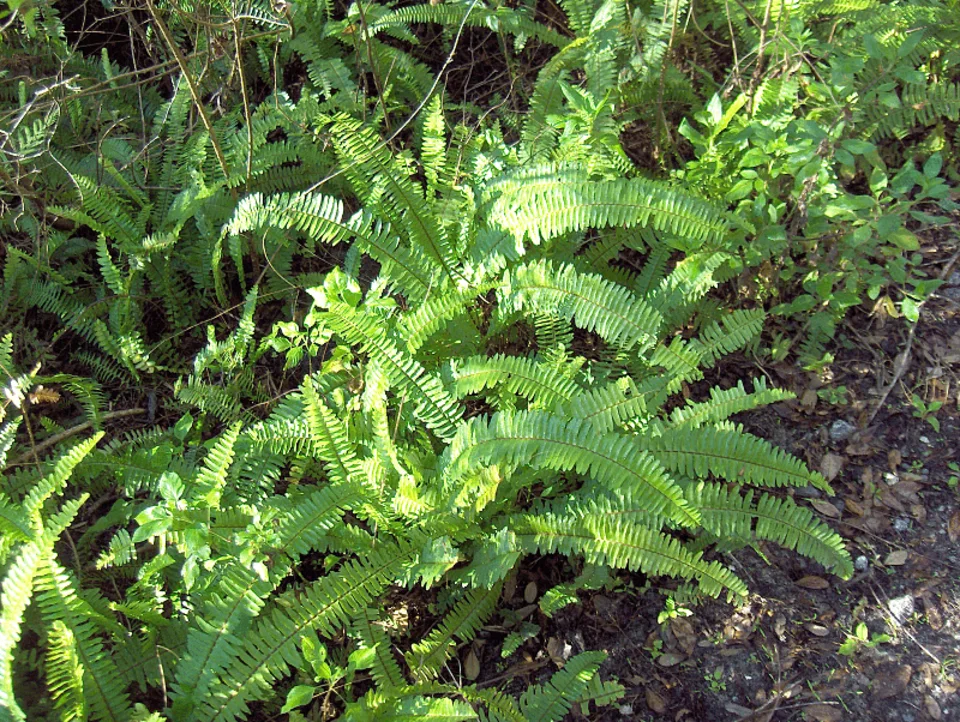
Boston fern
Nephrolepis exaltata
Ginkgo biloba
A familiar fan, from an ancient lineage.
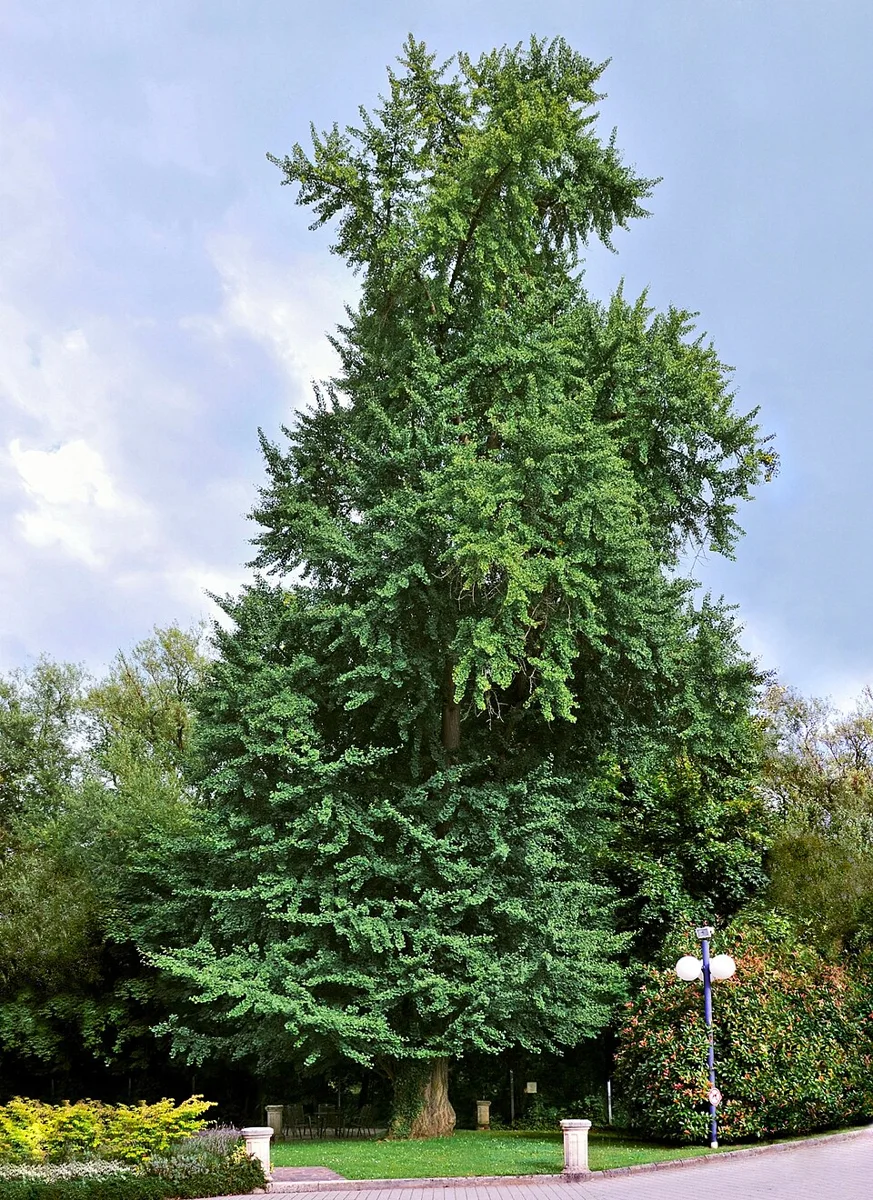
Begin with the overall silhouette. A whole-tree photograph gives a different scale of information from the fan-shaped leaves used to identify ginkgo.
Compare the outer edge of the canopy with the denser centre. Individual leaf veins cannot be resolved reliably at this photographic scale.
Follow the main trunk into the branching canopy. Record what is visible before inferring the age or growth history of this particular tree.
Ginkgo is a gymnosperm with distinctive fan-shaped leaves. Its lineage reaches far back into the fossil record. The living species offers a chance to look closely at a form quite different from the broad leaves of many flowering trees.
Trace the veins as they spread across the leaf. Look for a central notch, then compare leaves from different shoots. In autumn, watch the foliage turn yellow.
How much variation fits inside one recognisable shape?
The phrase “living fossil” describes a long history. It should not be read as a claim that a living species has stopped evolving.
Habitat labels are broad browsing categories, not complete distribution records. This dossier is an editorial introduction, not original field research.
Cayambe; derivative work by Ginkgotree. Original photograph · CC BY-SA 3.0. Resized and converted to WebP; displayed crops may vary.